
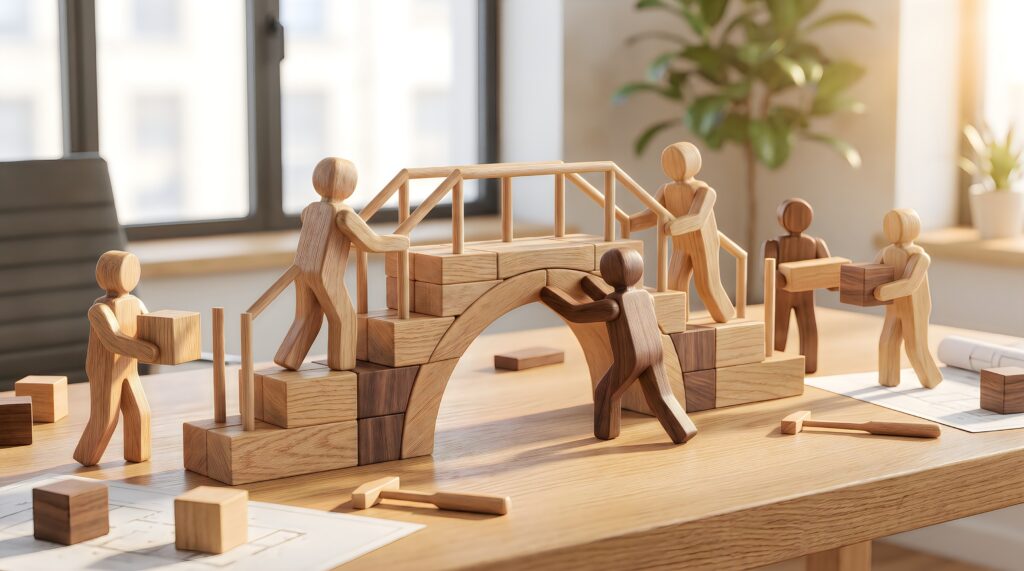
Building a Better Bridge: How LSS Is Supporting Youth and Families Beyond Residential Treatment
For decades, youth residential treatment programs have helped children and young adults stabilize, heal, and prepare for a brighter future. Yet one important question remains:
What happens when they go home?
The answer matters more than many people realize.

A young person may leave treatment with new coping skills, stronger decision-making abilities, and renewed hope. Some may see this as the end of a difficult journey. But the return home is often a re-entry into the very challenges that led to their initial treatment: family dynamics, loss of structure, safety concerns, unrealistic expectations, and other experiences that cannot be addressed within the walls of a treatment program alone.
That is why LSS’ Homme Youth & Family and Family-Centered Treatment (FCT) programs are working together to ensure that caregivers and families receive the support they need not only during a young person’s treatment journey, but in the critical months that follow. Bridging this crucial gap often gets missed, leaving many youth and families vulnerable to overwhelm, fragmented aftercare, relapse, and recidivism.
Treatment Works. Families Make It Last.
Residential care can provide stability during a crisis and help youth develop the skills they need to move forward. But lasting success is most likely when families feel confident, prepared, and supported as they welcome their child home.
“Residential treatment is not the finish line,” said Danielle Cline, MS, LPC a licensed therapist with LSS. “It is the most important transition point that requires intentional planning, ongoing support, and strong family engagement long before a youth returns home to their family, school, and community. The goal is to help families build on the progress achieved during treatment so that positive changes can continue long after a youth returns home.”
Why the Transition Matters
For youth leaving residential treatment, the transition back home can be especially significant. At the same time, parents and caregivers are often adjusting as well. They may feel hopeful, excited, or uncertain about how best to support their child moving forward.
These feelings are normal.
What families need during this period is guidance.
They need practical tools, coaching, and support from professionals who understand the realities of family life.
That is where LSS Family-Centered Treatment comes in.

A Family-Centered Approach to Lasting Change
Family-Centered Treatment (FCT) is an evidence-based model that has been helping families create lasting change for more than 30 years. Working directly with families in their homes and communities, FCT focuses on strengthening the entire family system rather than solely addressing the needs of an individual youth. By improving relationships, communication patterns, and support structures, families are better positioned for long-term success.
Lutheran Social Services (LSS) has been providing Family-Centered Treatment for the past eight years and is proud to be the only FCT provider in Wisconsin. LSS is also one of only a handful of programs nationwide to achieve Full Implementation Status through the National FCT Foundation, reflecting a deep commitment to delivering the model with fidelity and excellence.
FCT therapists work alongside youth, parents, caregivers, and other family members to identify strengths, address challenges, and build practical skills that can be applied in everyday life. This hands-on approach allows families to navigate difficult circumstances in real time while developing healthier ways to communicate, solve problems, and support one another.
The result is stronger, more resilient families that are equipped to face challenges together, maintain healthy relationships, and build a foundation for long-term stability and success.
Looking Ahead
The partnership between LSS Homme Youth & Family Programs and Family-Centered Treatment reflects a shared belief that lasting change happens when youth, families, and communities grow stronger together.
Residential treatment can help young people develop the skills, stability, and confidence they need to move forward. Family-Centered Treatment recognizes that challenges rarely affect just one person. Mental health concerns, trauma, school struggles, and behavioral challenges can place stress on entire family systems.
By combining LSS’s expertise in youth behavioral health with Family-Centered Treatment’s proven family-focused approach, families receive support not only during treatment, but throughout the critical process of reintegration.
The impact extends beyond individual families. Stronger family connections create a foundation for greater stability, fewer crises, and healthier communities. By investing in what happens after treatment, LSS is helping ensure that youth return home to an environment where growth can continue, and success can be sustained.
Because success is not measured by the day treatment ends. It is measured by what happens next. And with the right support, families can move forward together with confidence, resilience, and hope.